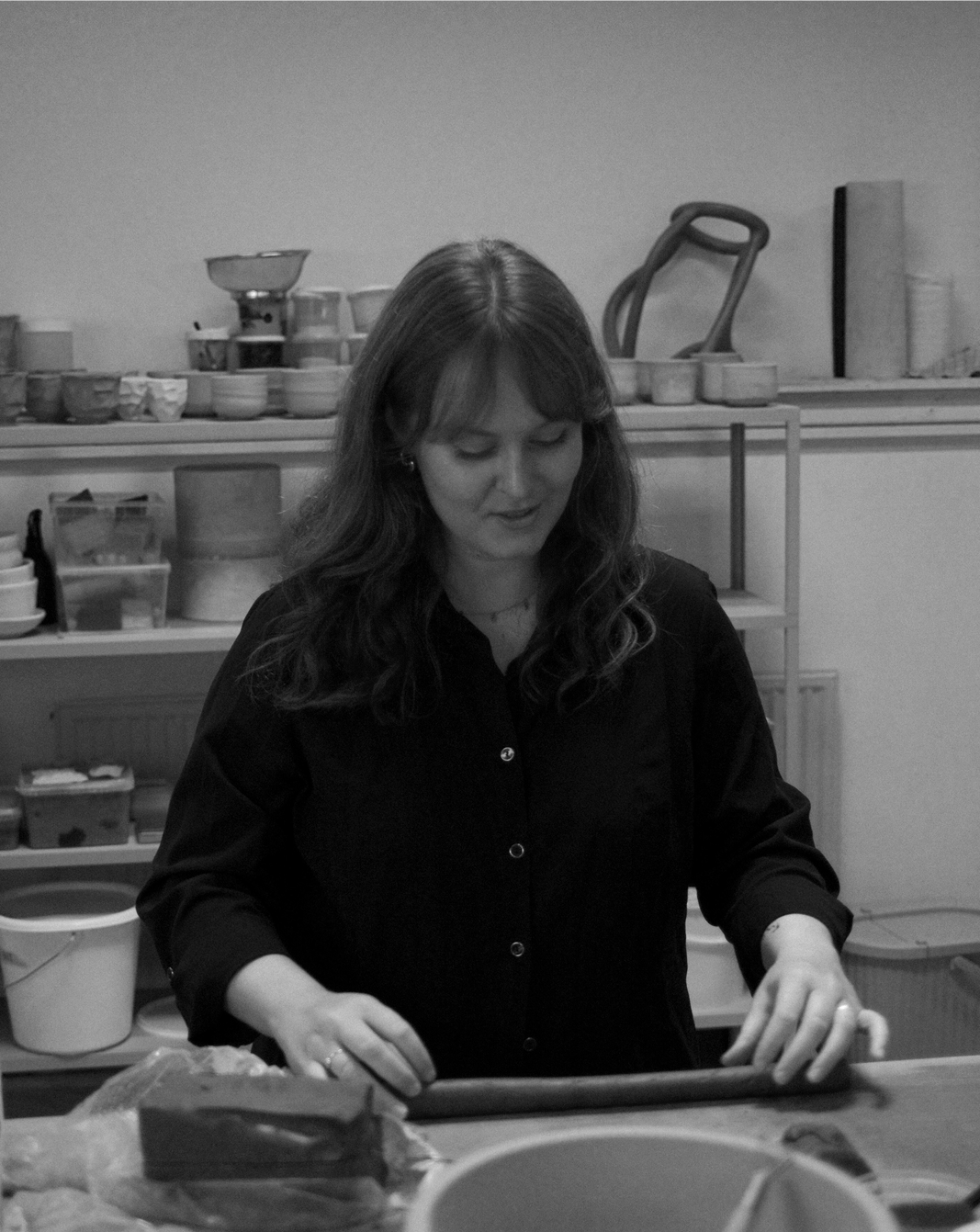
MEET SIGNE BOISEN
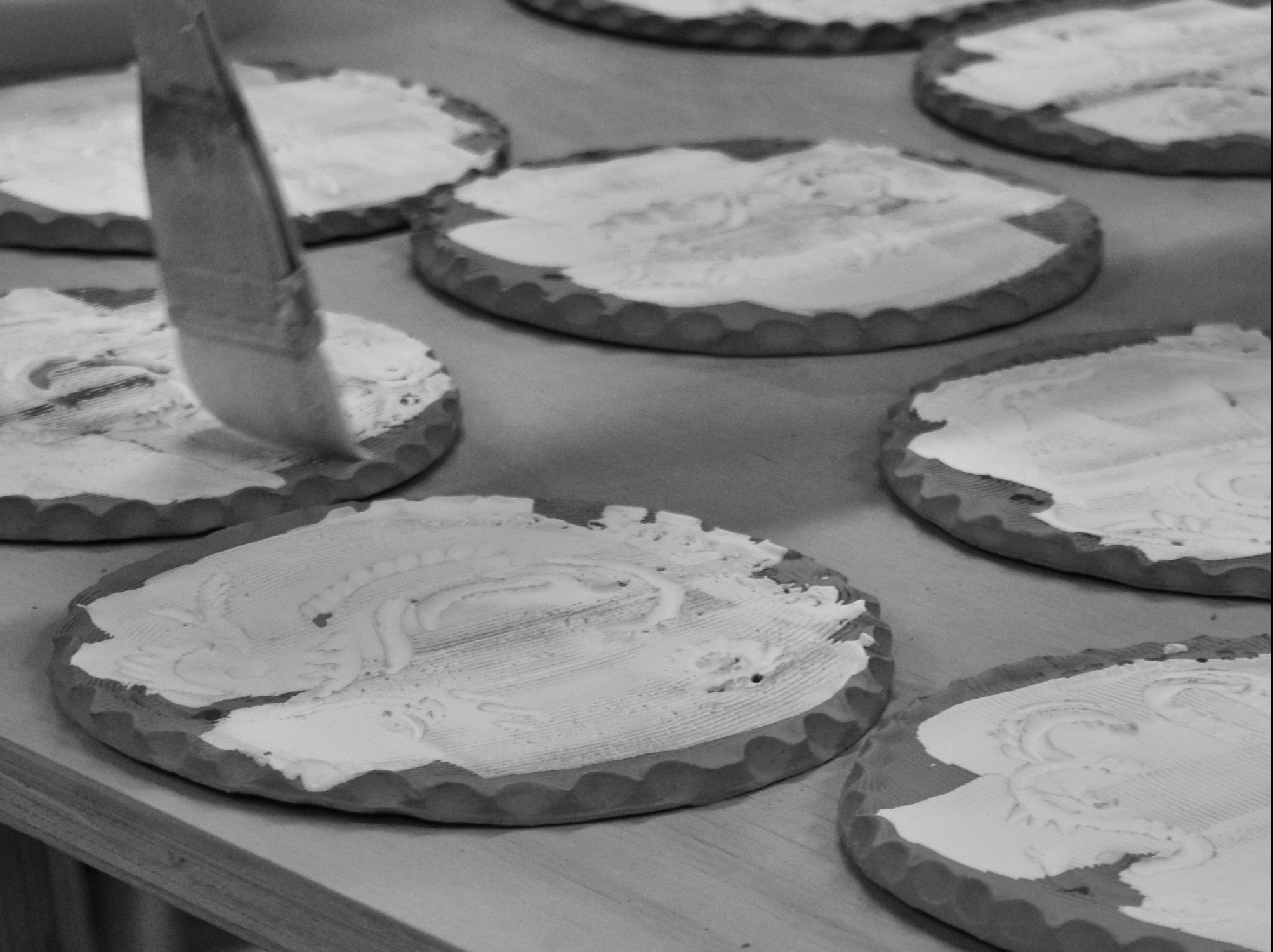
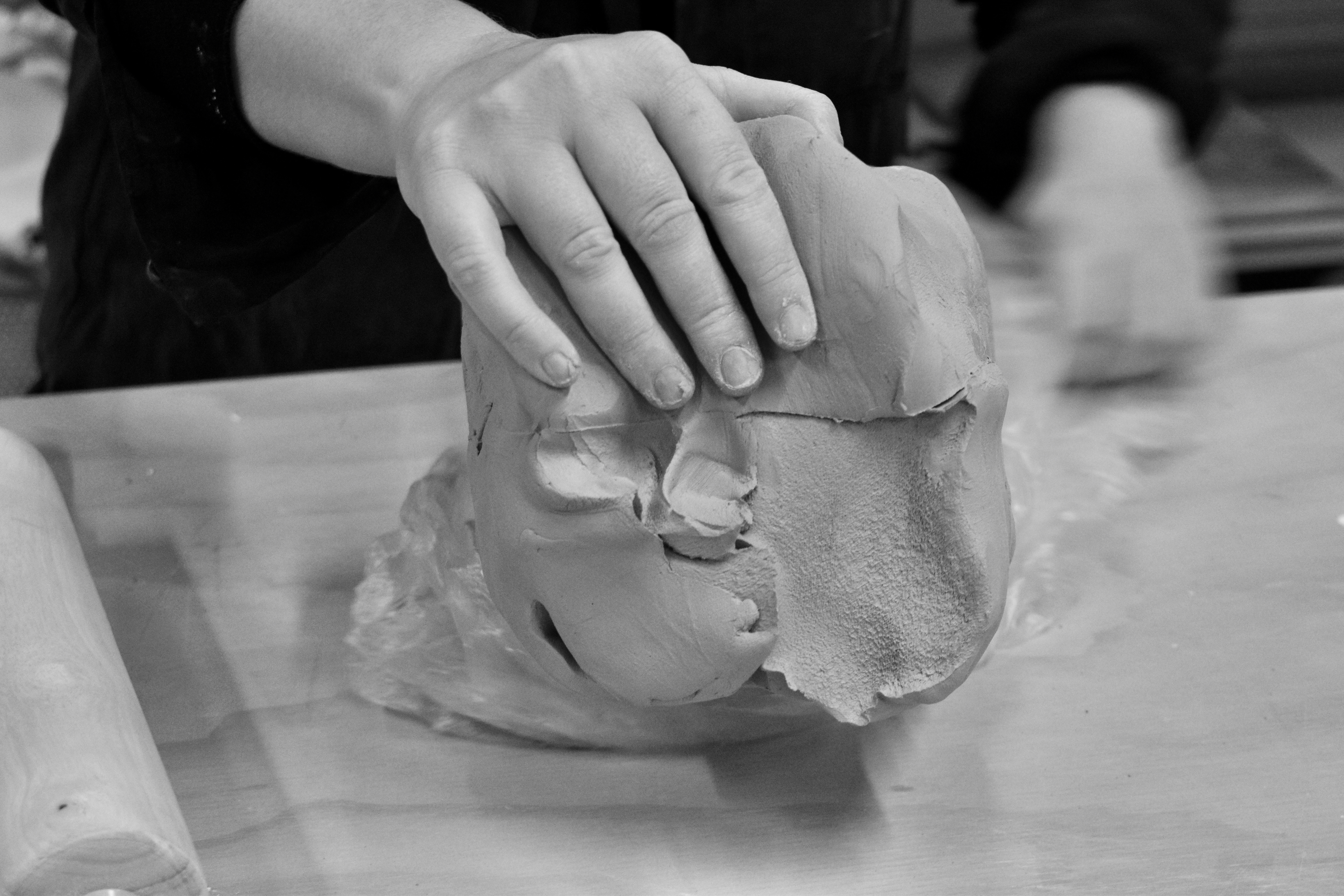
“I think what makes my expression my own is the way I am actually very simple in my shaping, but often let the raw clay stand out in a way that reveals its strengths, or work a bit more roughly with the surface as a counterpoint to the clean expression – for example, by allowing the fingerprints from the process to remain visible.
I often combine something very historical with something hyper-modern, which works well, as you can’t always distinguish between the two.”
– Signe Boisen
Signe Boisen, Educated ceramist from the Royal Danish Academy (BA in design), 2021
WHY CLAY?
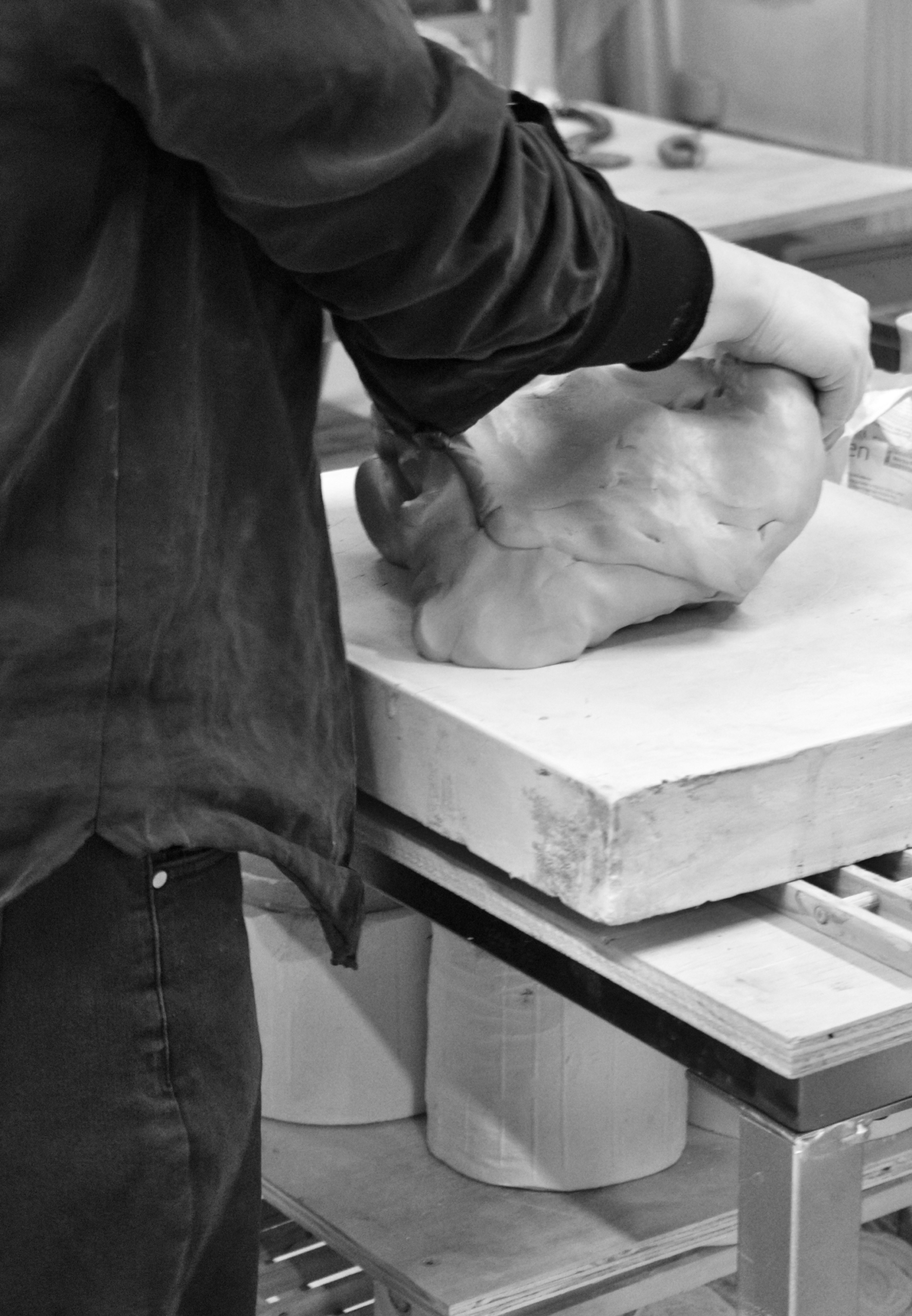
My artistic practice is deeply influenced by the material I work with. I am first and foremost a craftsperson, and I always keep the material’s strengths and possibilities in mind when I work artistically.
For me, clay is not just an arbitrary means of expression, but a material that must be respected and used to shape thoughtful new objects that take into account the history inherent in any craft. That is why I like to look at the forms that characterized the craft of the past, as well as the objects that were not considered art – such as rural folk art (Bondekunsten) in the 18th century.
INSPIRATION AND PROCESS
My inspiration most often comes from history and from the thoughts people have had about creating throughout time – whether it has been art, craft, relationships, or life. For me, it’s often about being able to trace certain threads back, both because I find it fascinating, but also because I want to give others the opportunity to understand how significant art and craft really are, and how far removed from them we sometimes are in our everyday lives. Everything we do, we do because our ancestors also did something. Maybe it was something different, maybe it was exactly the same, but no matter what, it influences the way we think and create today – and that connects us, which is what art can do.
My process often begins very randomly with a sudden thought of something that could look cool, or something I’ve been inspired by at an exhibition or online. It’s usually concepts that inspire me, and other crafts. After that, I make a very simple sketch and save it – sometimes for a long time before I actually do anything about the project. When I finally make something, I don’t work much with tests but quickly start on the actual piece. If I don’t like the result, I discard it so the clay can be reused. That’s why I often don’t have too many finished pieces in stock, since I’m very mindful of which items end up being fired.